You spent hours painting rocks with cute little owls and inspirational quotes—only to watch them gather dust on your shelf. No buyers. No engagement. Just wasted acrylics and frustration. The problem isn’t your skill—it’s your design strategy. Generic patterns drown in a sea of sameness. But what if you could create designs for rock painting that stand out, spark shares, and even turn into micro-income? You can. And it starts with ditching everything Pinterest told you.
Why 95% of Rock Painting Projects Flop
Most tutorials push “easy” motifs: smiley faces, basic florals, rainbow swirls. They look cheerful—but they’re forgettable. Worse, they ignore texture. Rocks aren’t canvases; they’re uneven, porous mini-landscapes. Flat designs slide off visually. And emotionally? They say nothing.
Here’s the reality: people don’t buy painted rocks. They buy stories, vibes, or inside jokes made tangible. A plain bee? Meh. A “caffeinated honeybee holding a tiny coffee cup” painted on a smooth river stone? That’s Instagram bait—and Etsy gold.
Step-by-Step: From Blank Rock to Standout Design
Forget copying. Build your own visual language. Start with intention—not just aesthetics.
Pick Your Rock Like a Pro
Rough granite? Skip fine lines. Go bold with tribal marks or geometric fills. Smooth agate slices? Perfect for intricate mandalas or miniature landscapes. Shape dictates style—not the other way around.
Prime for Longevity (Not Just Looks)
Wash with soapy water. Air-dry 24 hours. Then—this is critical—seal with a matte acrylic primer. Gloss traps moisture underneath, causing paint to blister weeks later. Matte? Breathable. Durable.
Design Frameworks That Convert
Use these battle-tested templates instead of winging it:
| Design Type | Best Rock Shape | Paint Needed | Market Appeal |
|---|---|---|---|
| Miniature Scenes (e.g., tiny campfire, book nook) | Flat oval or disc | Acrylic + ultra-fine liner brush | High—collectors love narrative |
| Abstract Geometric | Angular, faceted | Painter’s tape + matte acrylics | Medium—modern decor niche |
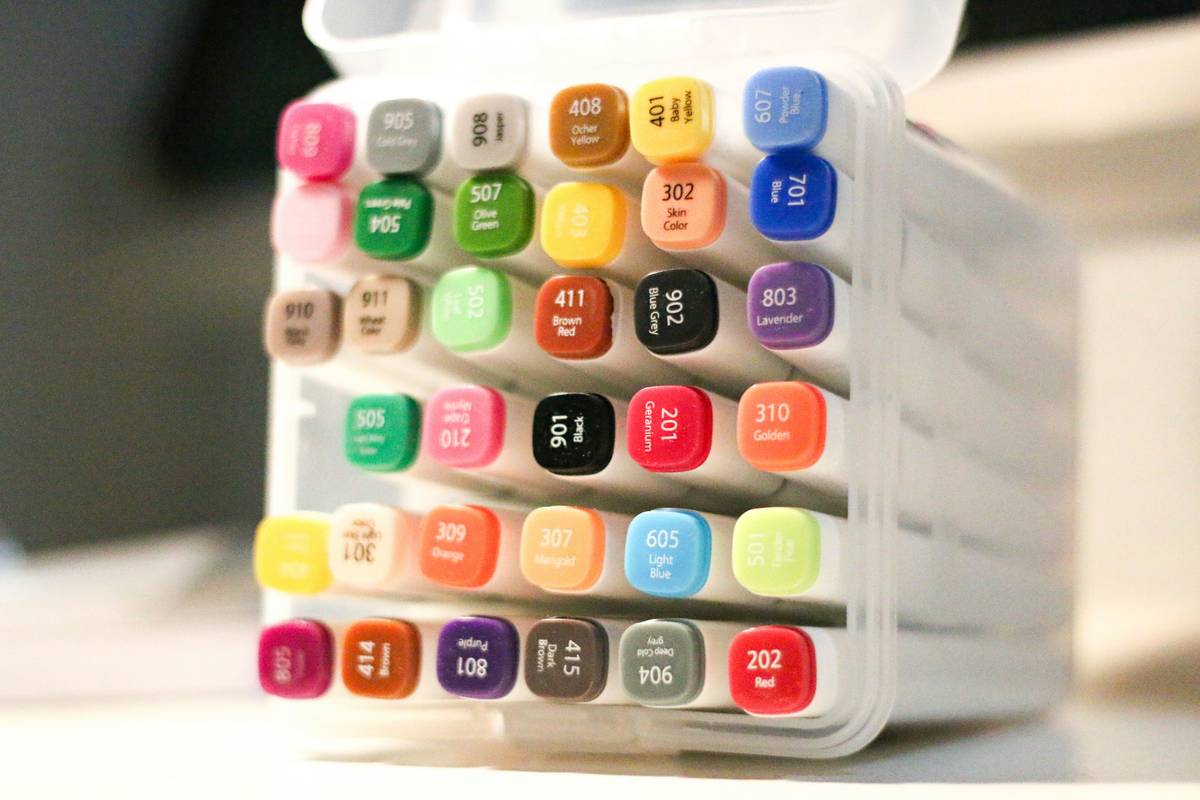
| Whimsical Characters (e.g., grumpy cat in rain boots) | Rounded, egg-like | Base coat + Posca pens | Very High—social media viral potential |
| Nature-Inspired Symbols (feathers, moons, waves) | Organic, irregular | Dry-brush technique + earth tones | Steady—wellness & spiritual markets |
The Industry Secret: Paint for the Algorithm, Not Just the Hand
Top sellers don’t just paint—they reverse-engineer virality. Before touching a brush, they ask: “Will this make someone stop scrolling?” One artist in Oregon paints “mood rocks”—tiny faces showing specific emotions (anxious sloth, joyful snail). She posts time-lapses set to trending audio. Result? 40K followers in six months. Her secret? Designs for rock painting that act as emotional mirrors. People tag friends: “This is SO you.” Suddenly, your craft isn’t just art—it’s conversation fuel. And algorithms reward that.
But—don’t chase trends blindly. Anchor your work in a micro-theme. “Desert critters with sunglasses.” “Mythical creatures doing laundry.” Niche specificity builds tribe loyalty faster than generic cuteness ever will.
Frequently Asked Questions
What kind of paint is best for outdoor rock painting?
Use weather-resistant outdoor acrylics or patio paint. Always seal with 2–3 coats of UV-resistant spray varnish—matte finish holds up better than gloss against sun fading.
How do I prevent my rock paint from chipping?
Clean thoroughly before painting. Apply a primer. Let each layer dry fully. Seal properly. Skipping any step = flaking within weeks.
Can I use regular markers on painted rocks?
Avoid standard Sharpies—they bleed and fade. Use oil-based paint pens like Posca or Molotow. They adhere better and stay vibrant longer.