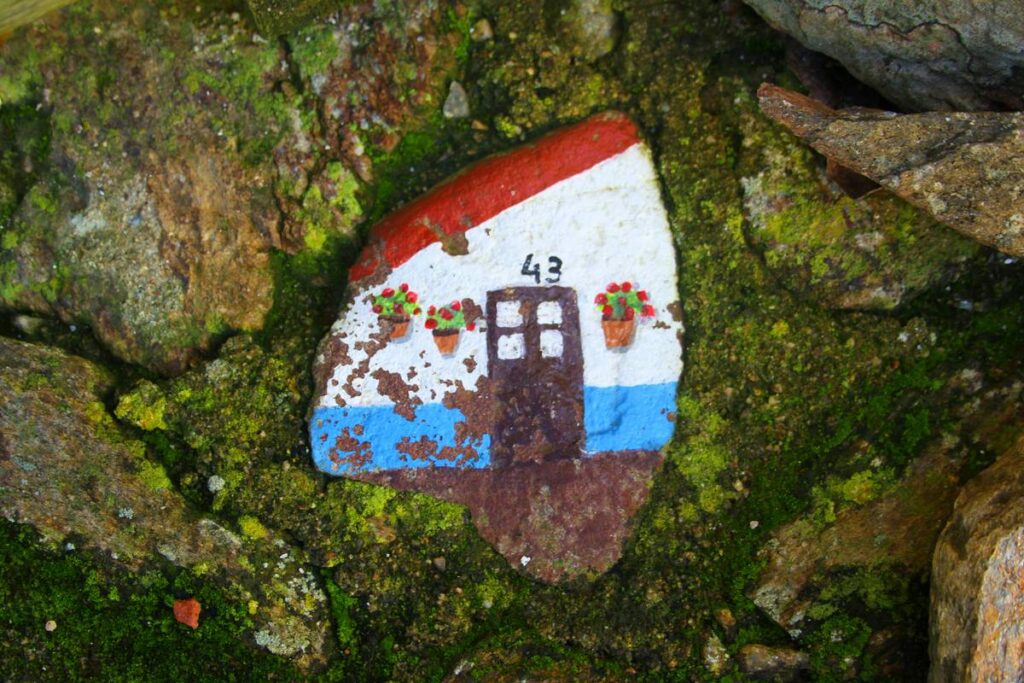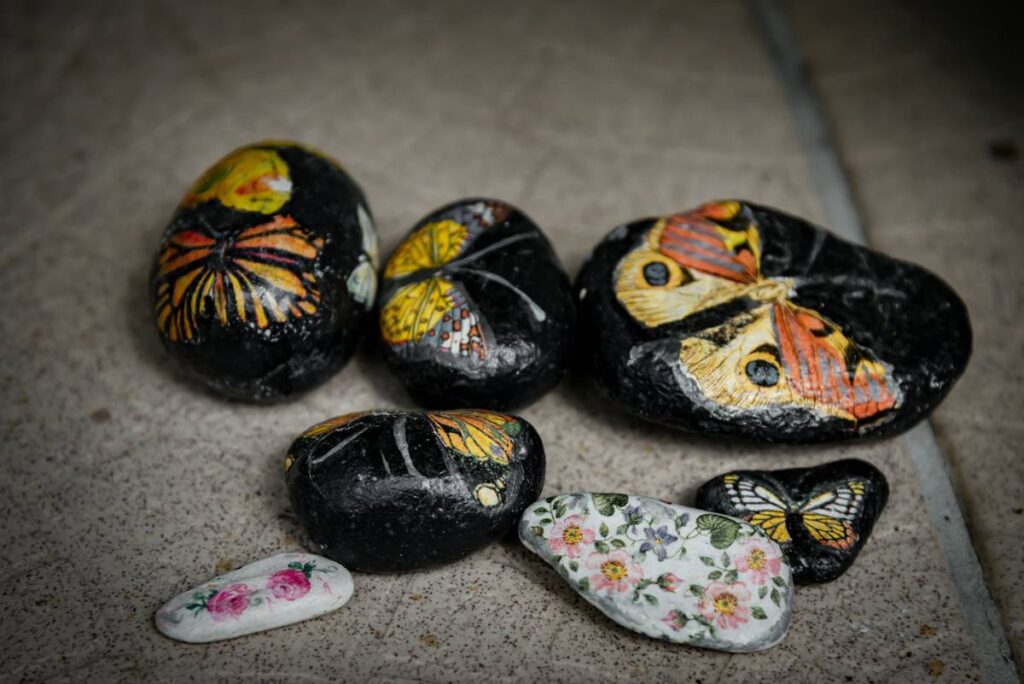
Most beginners treat rock painting like a craft project—quick, messy, and forgettable. But that mindset kills longevity. Rain washes away cheap paint. Sunlight fades colors in weeks. And uninspired designs get tossed aside like forgotten campfire logs. Here’s the fix: treat outdoor rock art like public sculpture—not disposable doodles. That shift changes everything.
Why Most Outdoor Rock Painting Efforts Fade Into Obscurity
Acrylics from the dollar store? They peel. Sealing with hairspray? A myth. And slapping on cartoon faces without considering texture or placement? That’s why 90% of painted rocks vanish within a month. Weather isn’t the enemy—it’s poor material science.
And most tutorials ignore geology. Smooth river rocks absorb differently than porous lava stones. Ignoring that = cracked paint. Every. Single. Time.
Outdoor Activity Rock Painting Design How to Build Works That Last
Selecting Rocks That Won’t Sabotage Your Art
Forget “any smooth stone.” Hunt for non-porous surfaces—granite, slate, or quartzite. Run your thumb across it. If it feels glassy, not chalky, you’ve got a winner. Wash thoroughly with vinegar-water (1:1) to kill mold spores hiding in micro-cracks.
Pigment Chemistry Matters More Than Brush Strokes
Use outdoor-grade acrylics—like DecoArt Patio Paint or FolkArt Outdoor. Indoor formulas lack UV stabilizers. Apply in thin layers; thick globs trap moisture underneath. Heat-set each layer with a hairdryer on low—this drives off water before sealing.

Sealing Like a Pro (Not a Pinterest Hack)
Mod Podge Outdoor? Better than nothing—but not enough for freeze-thaw cycles. Go for marine-grade spar urethane (oil-based) or Krylon UV-Resistant Clear Coat. Spray in cross-hatch passes. Cure 72 hours before exposing to rain.
| Sealer Type | Durability (Months Outdoors) | UV Resistance | Best For |
|---|---|---|---|
| Mod Podge Outdoor | 2–4 | Moderate | Shaded porches, short-term displays |
| Krylon UV-Resistant Clear | 6–9 | High | Sunny gardens, trail markers |
| Minwax Helmsman Spar Urethane | 12+ | Very High | Rain-prone zones, year-round installations |

The Industry Secret: Reverse Weathering as a Design Feature
Top outdoor artists don’t fight erosion—they choreograph it. Paint base layers in earth tones (ochre, raw umber). Then add top details in fugitive pigments that fade first. Over time, the piece reveals hidden textures—like a geological strata map. This “planned patina” turns decay into narrative. One artist in Oregon uses this to mark seasonal trails: spring flowers fade by autumn, signaling route changes. It’s maintenance-free storytelling.
But you need pigment knowledge most hobbyists skip. Mix your own fugitive layer with diluted food-safe dyes—beet juice for reds, turmeric for yellows. Seal only the underlayer. The top washes away cleanly, never muddying the core design.
Frequently Asked Questions
Can I use regular acrylic paint for outdoor rock painting?
Only if sealed properly—but even then, it lasts half as long as outdoor-formulated paints. Skip the risk. Invest in weather-rated pigment upfront.
How do I keep painted rocks from chipping in winter?
Avoid water-based sealers below 50°F. Use oil-based spar urethane. And never leave rocks on soil—they absorb ground moisture that expands when frozen.
What’s the fastest way to prep rocks for painting?
Scrub with vinegar + baking soda paste, rinse, then bake at 200°F for 20 minutes. Kills microbes and opens pores for better adhesion—without boiling them.